Summer Lab | SAL Consulting, LLC | In partnership with the Library of Congress TPS Program & Waynesburg University
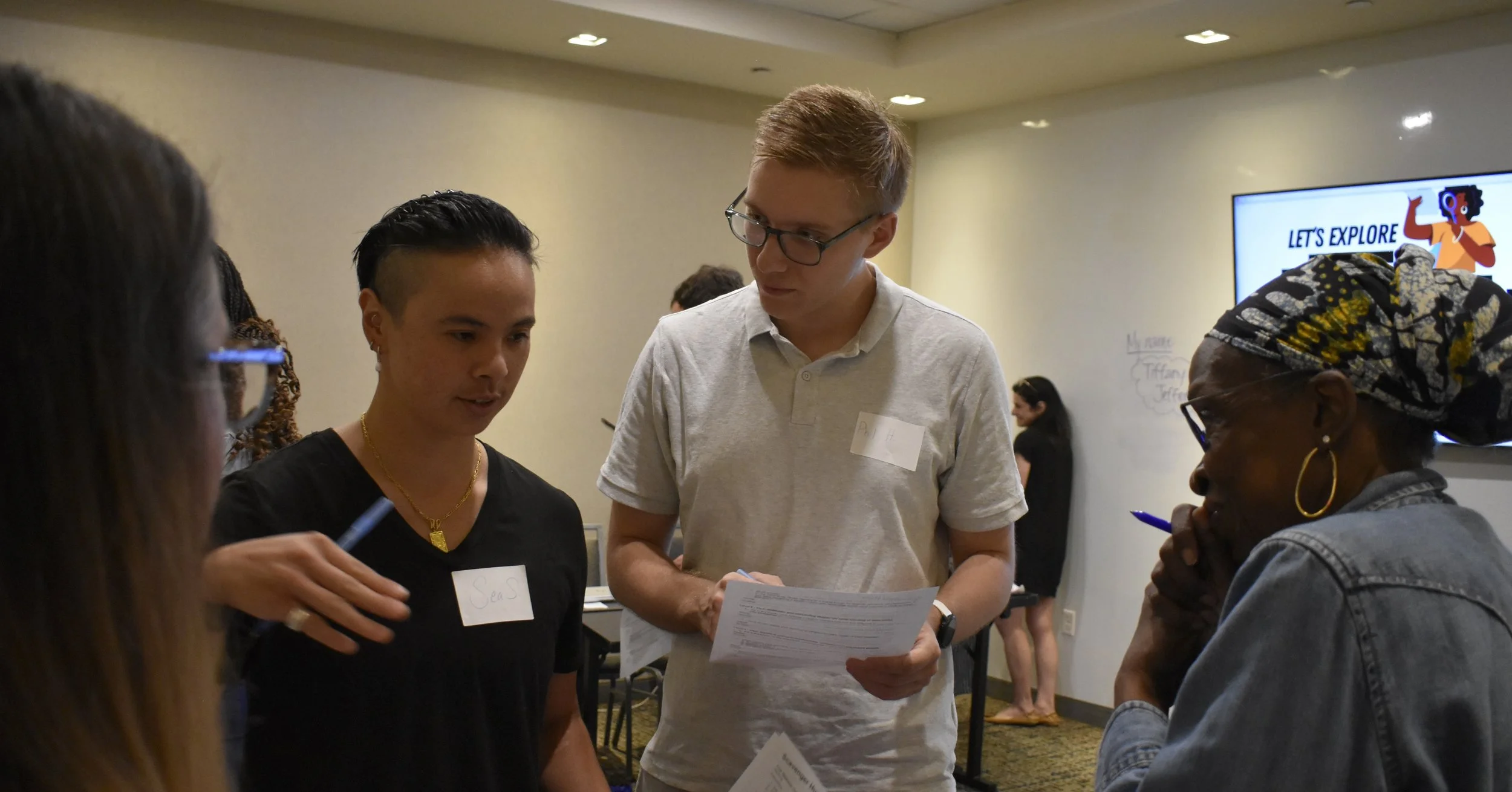
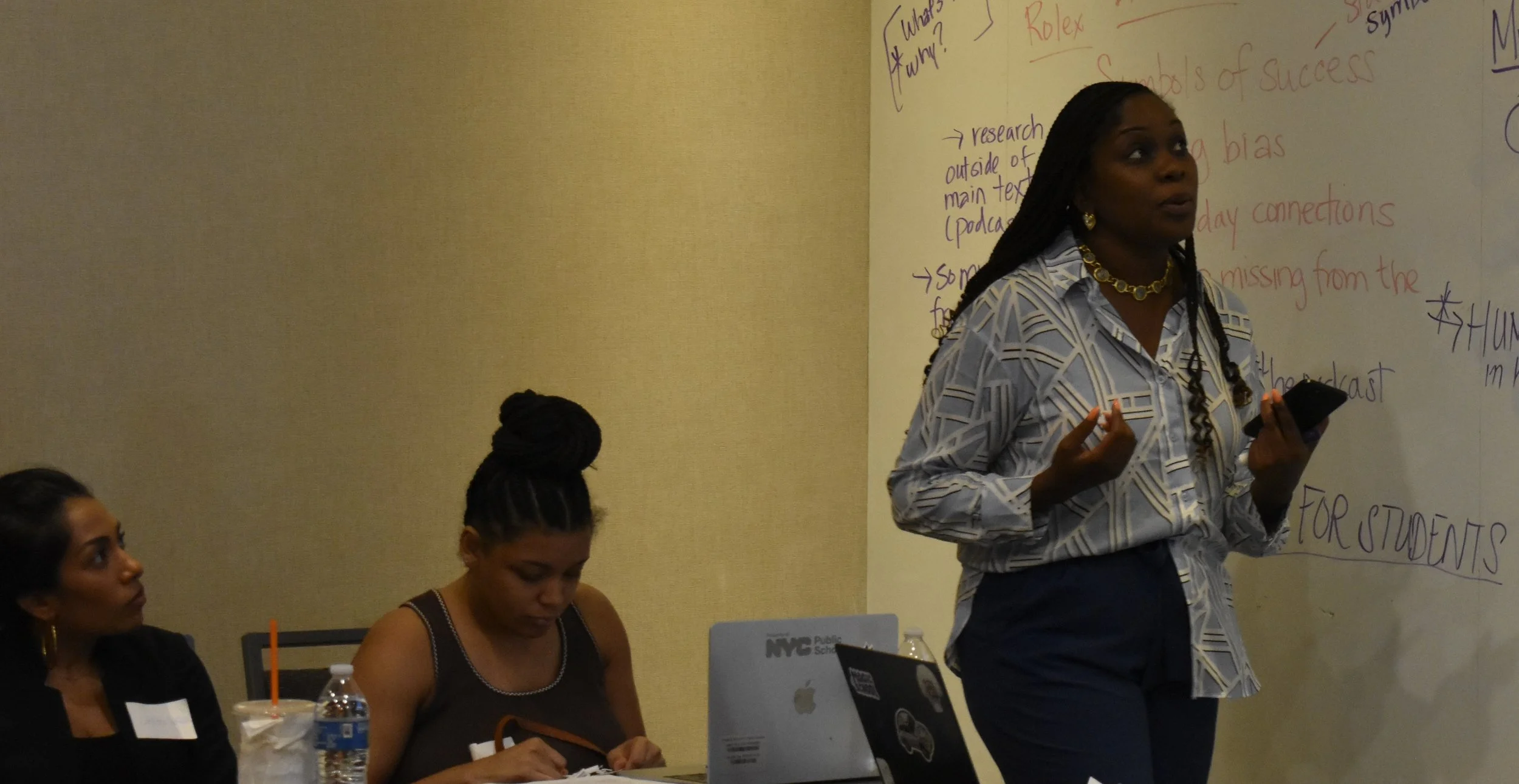
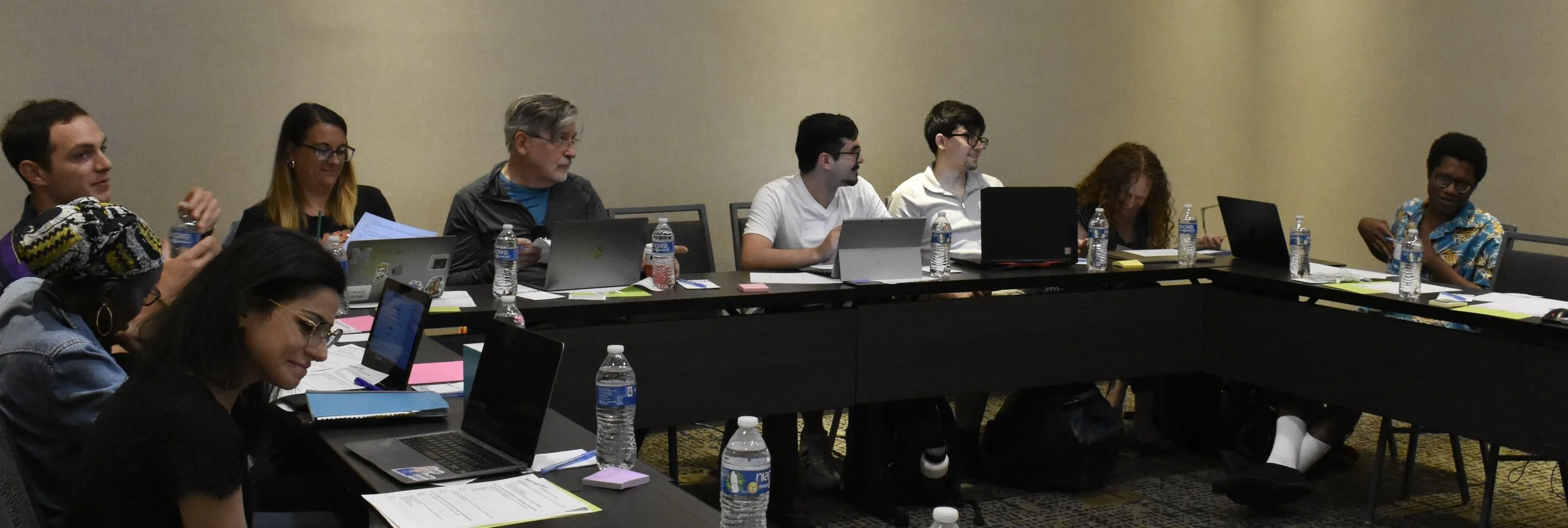
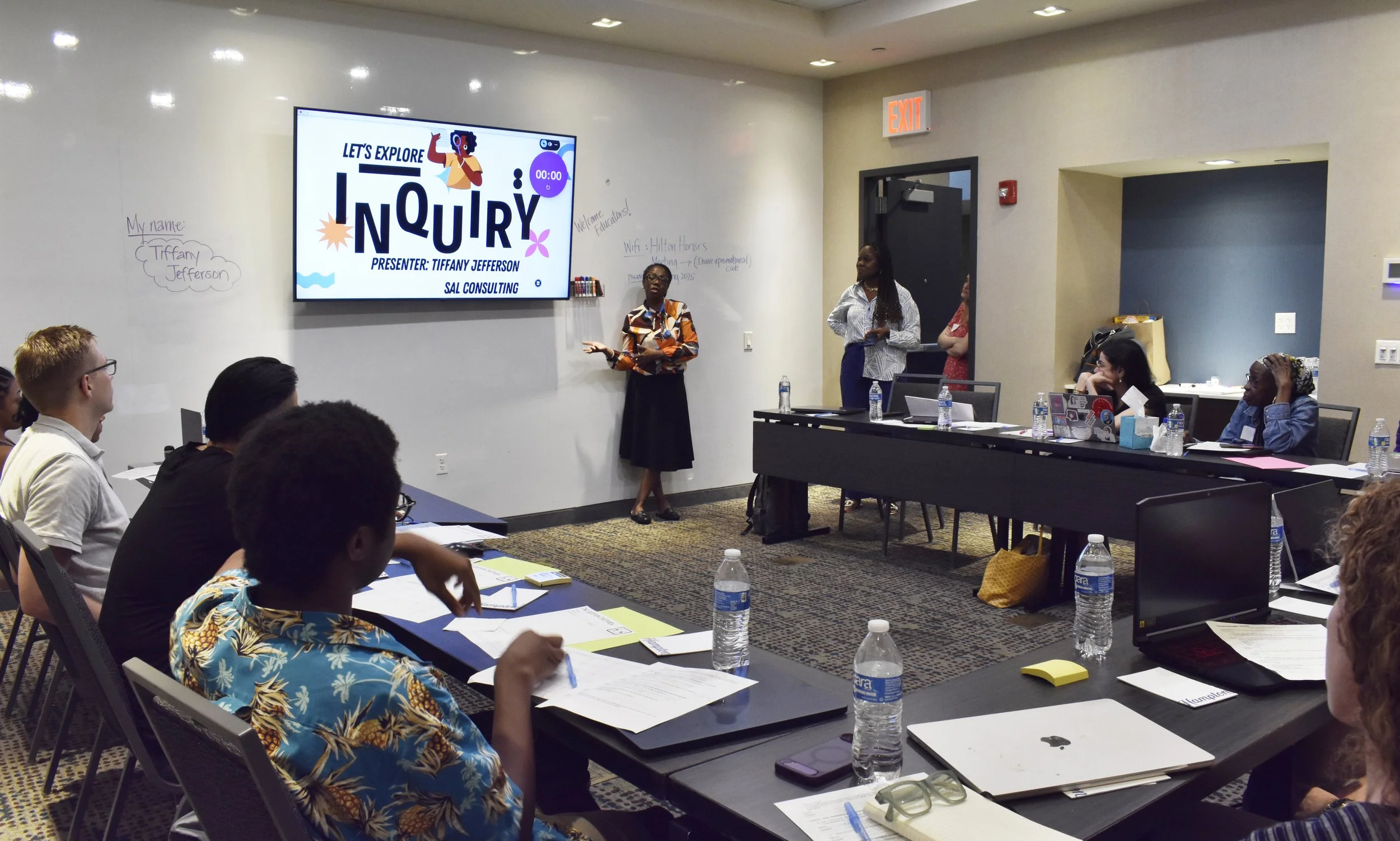
Summer Lab brings educators together for a
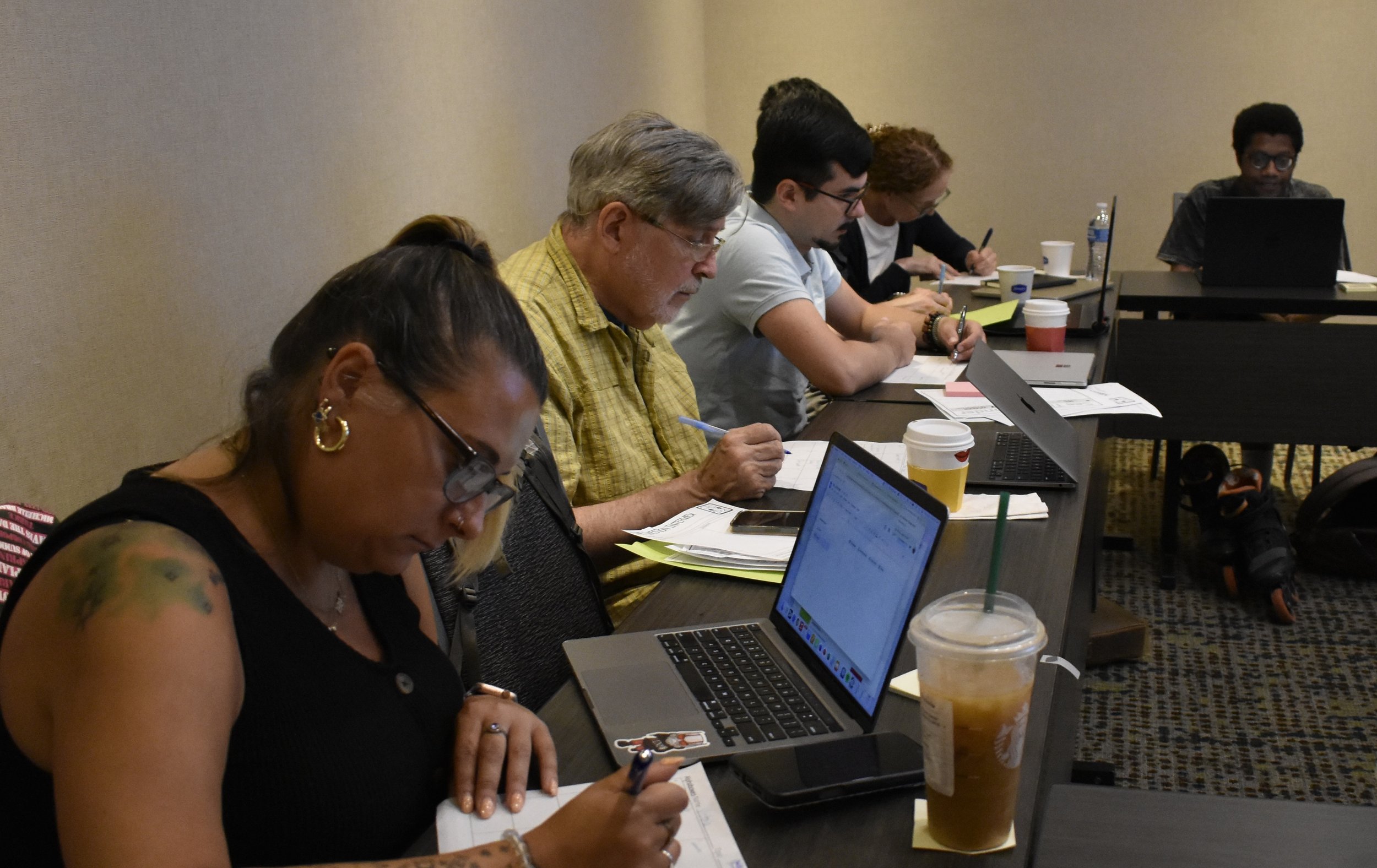
multi-day professional learning institute in New York City. Working in partnership
with the Library of Congress Teaching with Primary Sources (TPS) Eastern Region,
participants design interdisciplinary inquiry units, analyze primary sources,
and build classroom-ready material grounded in real student work.
The 2025 cohort resulted in a complete toolkit — freely available below — for any Social Studies,
History, Humanities, ELA, or Media Literacy teacher who wants to bring rigorous,
student-driven inquiry into their classroom.
Inquiry-Based Teaching, Built With Real Teachers.
What People Are Saying
The Inquiry Framework
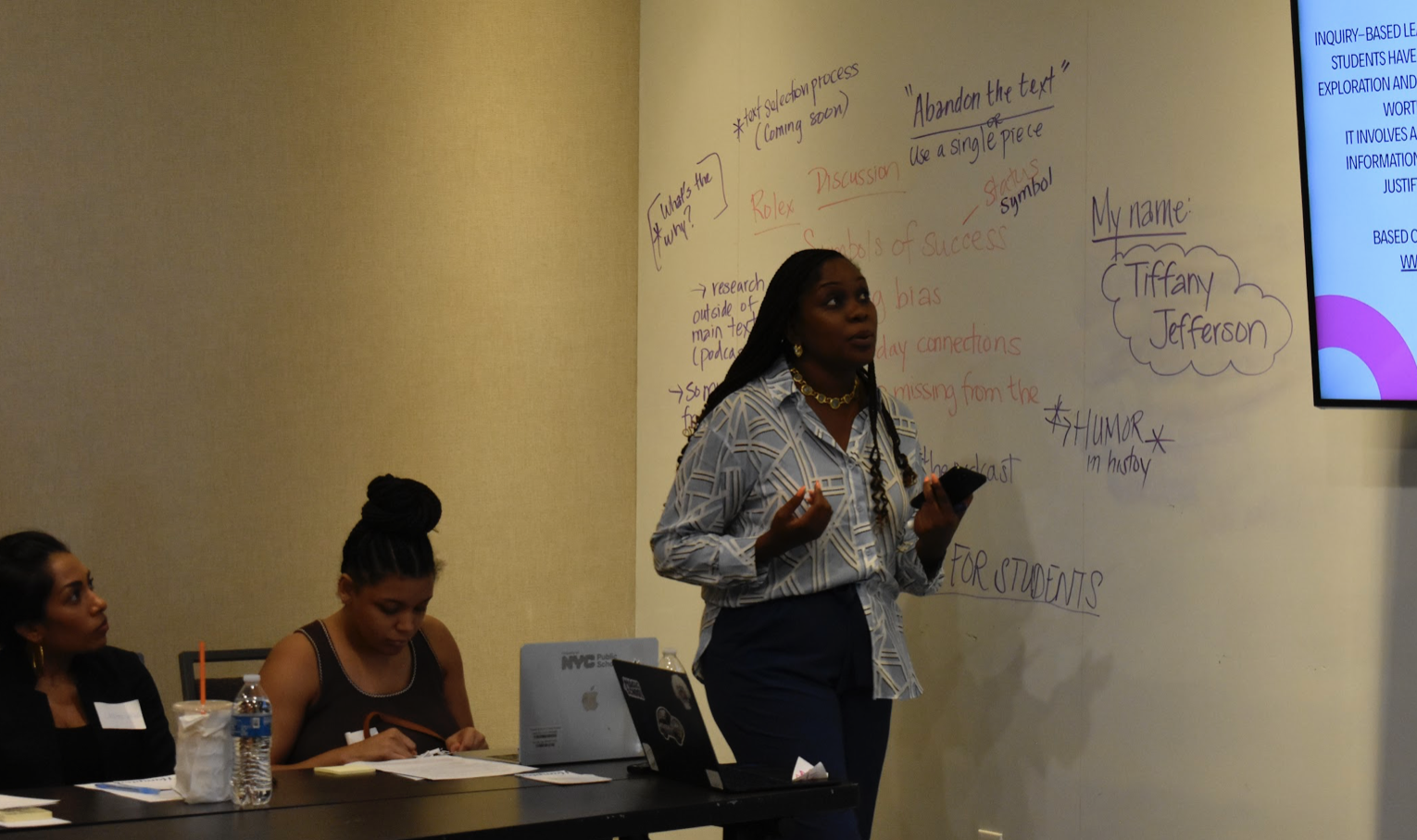
This framework was developed during the 2025 Summer Lab using a Rolex brand history podcast as the case study text. It maps how a single, well-chosen primary source can anchor a full unit of rigorous, interdisciplinary inquiry. Each phase below includes what it looked like in the podcast and a direct classroom strategy.
Our work has shaped:
Inquiry-Based Design: Moving educators from static, teacher-directed lessons to dynamic, student-driven inquiry grounded in authentic questions and real primary sources.
Primary Source Integration: Building educator confidence in navigating the Library of Congress digital collections and using documents, images, maps, and media as analytical texts.
Professional Learning: Equipping educators with inquiry frameworks, scaffolded tools, and collaborative planning structures that translate directly into classroom practice.
-
We offer a range of solutions designed to meet your needs—whether you're just getting started or scaling something bigger. Everything is tailored to help you move forward with In the podcast: "Why is Rolex a company that barely advertises and limits supply the most valuable luxury brand in the world?" The entry question leads with a paradox that forces students to question their assumptions.
Classroom tip: Begin with a 'Why?' question that reveals a contradiction. Encourage students to generate sub-questions and form hypotheses before they encounter any content. Curiosity is the launchpad — not background knowledge. -
In the podcast: Deep dive into Hans Wilsdorf's life — orphaned, immigrant, outsider navigating empire, world war, and economic disruption. Personal history becomes the lens through which the company's values are understood.
Classroom tip: Anchor historical content in a real person's life. Let students investigate founder or biography stories to connect large-scale historical forces to individual decision-making. Pair with immigrant entrepreneurship narratives from different eras. -
In the podcast: Traces Rolex's strategic moves — Germany to England to Switzerland— shaped by war, tariffs, and trade policy. Every geographic decision was an economic and political calculation.
Classroom tip: Use maps, political boundary changes, tariff zones, and resource access as part of economic storytelling. Let students map a company or idea's journey through space and time using Library of Congress historical materials.
-
In the podcast: Rolex did not invent the technologies that made it famous; it identified gaps, curated existing innovations, and refined them relentlessly. Strategic synthesis, not invention from scratch.
Classroom tip: Have students analyze case studies where innovation comes from synthesis rather than invention. This models interdisciplinary thinking and challenges the 'lone genius' myth that dominates most historical narratives. -
In the podcast: Rolex positioned its brand through deliberate storytelling; endurance, secrecy, precision. Each advertising decision was a narrative choice, not just a marketing tactic.
Classroom tip: Teach students to deconstruct modern advertising and historical propaganda using the same analytical tools. Both are narrative texts with a purpose and a perspective; primary sources in their own right.
-
In the podcast: Rolex built credibility through timing trials, endurance stunts, and independent observatory certifications — external validation before it sought public attention.
Classroom tip: Ask students: who decides what counts as success, precision, or value? Compare Rolex's credentialing strategies to modern equivalents — peer review, blue checkmarks, ISO certification. Who holds the power to validate?
-
In the podcast: Rolex is a charity-owned luxury brand that emphasizes scarcity while serving global elites. Its origin story involves immigrants and wartime soldiers; its products are worn by hedge fund managers and rappers. These contradictions are the point.
Classroom tip: Encourage students to surface ethical dilemmas and contradictory identities within cultural and economic systems. This is where claim-evidence- reasoning writing, Socratic seminars, and structured academic controversy work best.
-
In the podcast: The hosts step back to reflect on what Rolex's model reveals about entrepreneurship, long-term thinking, and the relationship between story and value.
Classroom tip: Ask students to reflect or pitch: What ideas from this story apply to our world? What would your brand, project, or community stand for? This is where inquiry becomes personally meaningful and produces the strongest student work.
Who This Is For
These materials were designed to work for individual practitioners and institutional teams alike. Choose your entry point below.
Individual teachers
You found this independently and want to bring inquiry-based, primary source instruction into your classroom right away. Start here:
- Download the Pre-Listening Survey and use it before any complex text or media
- Use the Student Worksheet as a stand-alone lesson or unit anchor
- Choose one project from the Student Choice Board to launch a mini-unit
- Use the Discussion Questions for a Socratic seminar or writing prompt
Schools & departments
You're looking to implement the full inquiry model across a team, grade band, or department. These materials were designed for exactly that:
- Use the Inquiry Process Framework as a PD anchor or PLC planning tool
- Adapt the full unit plan for your school's scope and sequence
- Use the Tiered Rubrics to align assessment across classrooms
- Contact SAL Consulting LLC to discuss a customized Summer Lab or workshop
Downloadable Resources
The complete toolkit — ready to use and edit
All materials are available as editable Word documents. No login required. Each was developed during the 2025 Summer Lab in partnership with the Library of Congress TPS program and Waynesburg University and piloted with classroom teachers. Download, edit, and use freely in your classroom.
For Teachers
Pre-Listening Inquiry Survey
Activates prior knowledge and sets inquiry intentions before the podcast. For grades 6-12, Social Studies, Humanities.
Inquiry Process Framework
8-phase framework mapping the podcast to classroom strategies. PD resource and PLC planning tool. Landscape format.
Discussion Questions
Rolex: A Case Study in Paradox, Power & Storytelling. 12 TPS-aligned prompts for Socratic seminar or written response.
NCSS Standards Alignment Checklist
Relevancy ranking tool aligned to all 9 NCSS themes for the Rolex case study. Standards planning tool.
Library of Congress Primary Sources Guide
16 curated LOC collections and research guides organized by the unit's eight inquiry phases. The deeper archival companion to the Summer Lab toolkit. Free, publicly accessible.
TPS Inquiry Lab Resources
Classroom-ready inquiry resources designed to support differentiated learning, critical thinking, and project-based instruction.
For Students
Student Inquiry Worksheet
Before / During / After listening structure with a choice board for project paths. Grades 6-12, all disciplines.
Student Choice Board
Five projects tiered Lite / Core / Challenge. Scaffolded for all learners. Differentiated, PBL-ready.
Tiered Rubrics
Lite, Core, and Challenge rubrics with clear scoring criteria for all project types. Three tiers, one document.
Biography Research Template
& Figure List
Structured research guide with a curated list of 19 historical and contemporary figures. Student-choice ready.
Student Self-Assessment
Checklists
Metacognition and reflection checklists aligned to each rubric tier. Portfolio-ready.
Supporting Materials Pack
Five classroom tools in one document: Identity Map, Trade & Geography Activity, Brand Myth Map, Ethics Scorecard, Brand Design Template. Print-ready.
Developed by SAL Consulting, LLC in partnership with the
Library of Congress & Waynesburg University TPS Eastern Region — 2025 Summer Lab