From Inquiry to Practice: The Inquiry Cycle
A structured cycle that turns classroom teaching into a continuous process of learning, design, and refinement.
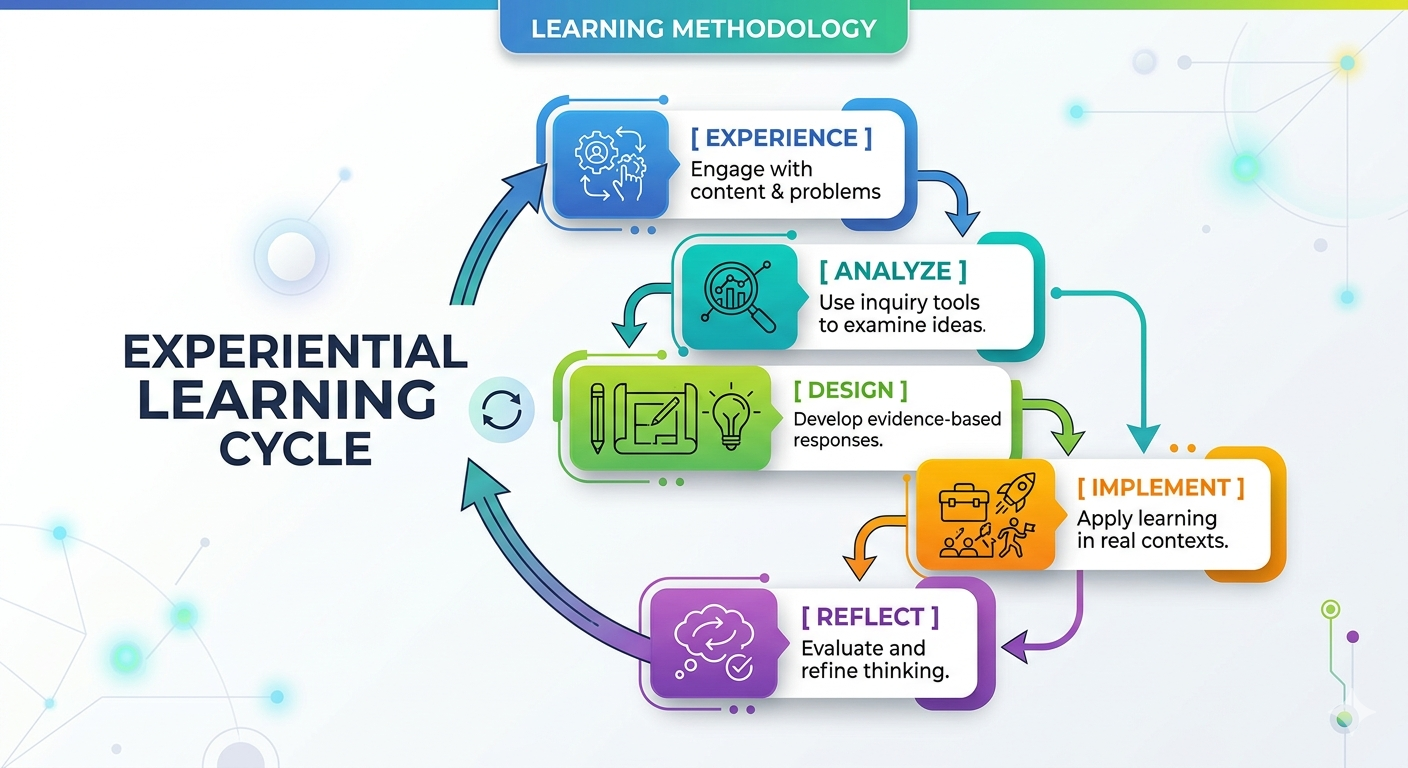
Overview

TeachConnect Global is grounded in a simple but rigorous idea: classrooms are not just places where learning happens—they are environments where teaching itself is continuously developed, tested, and refined.
The Inquiry Cycle provides a structured process that helps educators move from experience to reflection, ensuring that instruction is intentional, consistent, and responsive to student thinking.
Rather than adding complexity, this cycle organizes what effective teachers already do into a repeatable and sustainable model.
The Inquiry Cycle
-
Engage with meaningful content and complex problems.
Students encounter primary sources, real-world challenges, or rich texts that require curiosity, interpretation, and sustained attention. This stage prioritizes engagement and sets the foundation for deeper thinking.
-
Use structured tools to examine ideas and information.
Students break down what they are learning using inquiry-based scaffolds. They identify patterns, ask questions, and begin to make sense of content through guided analysis.
-
Develop evidence-based ideas and solutions.
Students synthesize their thinking by forming arguments, explanations, or creative responses. This stage emphasizes clarity, reasoning, and the use of evidence.
-
Apply understanding in authentic contexts.
Students extend their learning by applying ideas to real-world situations, projects, or new contexts. This ensures that knowledge is not isolated but transferable.
-
Evaluate learning and refine thinking.
Students and teachers reflect on the process—what worked, what needs improvement, and how understanding has changed. This stage strengthens metacognition and supports continuous growth.
What This Looks Like in Classrooms
From Theory to Practice
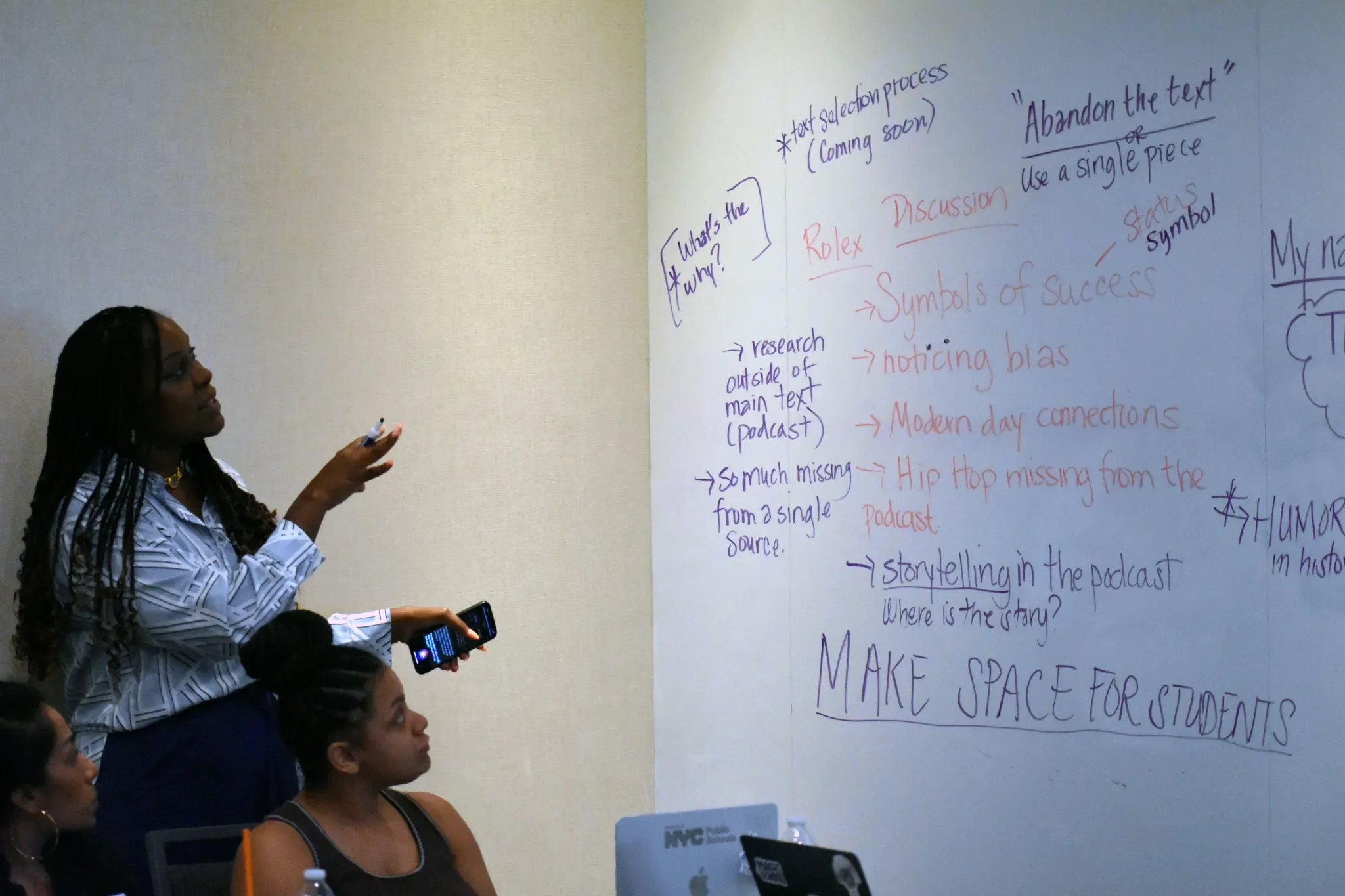
In classrooms, this cycle is not a one-time event—it is embedded into daily instruction.
A literacy lesson becomes an opportunity for structured inquiry
A science investigation becomes a space for analysis and design
A discussion becomes a moment for reflection and refinement
The cycle allows teachers to maintain consistency while adapting to the needs of their students and content areas.
Why It Works
Why This Model Matters
The Inquiry Cycle works because it aligns instructional design, student thinking, and professional learning into a single process.
It provides structure without limiting creativity
It supports both teachers and students
It builds habits of thinking, not just content knowledge
It makes rigorous instruction sustainable over time
This is not an additional layer—it is the foundation that connects all aspects of teaching and learning.
Connecting to the Platform
Powered by TeachConnect Global
The Inquiry Cycle is supported by the core components of the platform:
Inquiry Tools Library (ITL) → supports analysis and design
Master Classroom SOP → ensures consistency across classrooms
AI Literacy Plug-Ins → enhance reasoning and reflection
PLC Coaching Dashboard → supports implementation and growth
Together, these tools make the cycle actionable in real classrooms.
See It in Action
Explore how educators are using the Inquiry Cycle to design lessons, support student thinking, and build consistent instructional practices.